¿Por qué algunos compresores presentan más paros inesperados?
La lubricación podría ser una causa
¿Por qué algunos compresores presentan más paros inesperados?
En el día a día de la planta, un paro inesperado en el sistema de presión de gas es sinónimo de pérdida de productividad y estrés para el equipo de mantenimiento. Aunque solemos culpar a la parte mecánica (rodamientos, sellos o válvulas), la realidad es que el lubricante es el componente que más información nos da antes de una catástrofe.
Si tu compresor se está deteniendo más de lo habitual, el origen del problema podría no ser la máquina, sino el fluido que corre por sus venas.
La formación de barniz y lodos
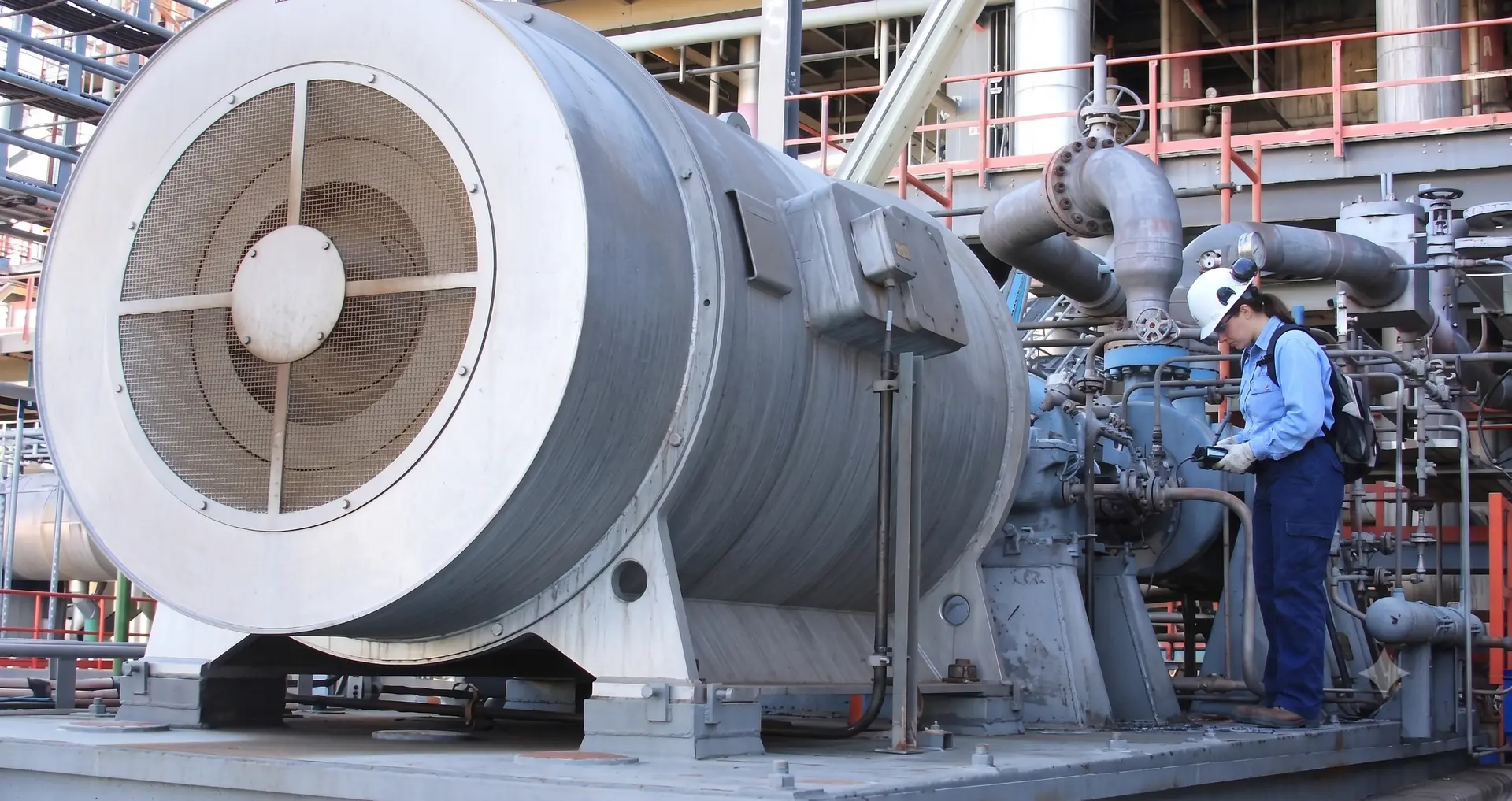
Un compresor es uno de los entornos más hostiles para un aceite. De acuerdo con los expertos en confiabilidad de Noria Latín América, el lubricante opera bajo un estrés constante debido a la combinación de calor extremo, humedad, presencia de oxígeno (o el gas comprimido), partículas metálicas de desgaste y superficies de descarga a muy altas temperaturas. .
Cuando el aceite no tiene la estabilidad térmica adecuada para soportar este cóctel de factores, se oxida rápidamente, pierde viscosidad y genera depósitos de carbón y barniz.
El peligro oculto: Compresión de gases reactivos y corrosión
No todos los compresores manejan aire limpio. Cuando la planta procesa gases químicamente activos como el oxígeno, dióxido de azufre, sulfuro de hidrógeno o cloro, las reglas del juego cambian por completo.
Noria advierte que estos gases, al interactuar con el lubricante en un ambiente con alta humedad, detonan la formación de depósitos pegajosos o se transforman en agentes extremadamente corrosivos que destruyen los componentes internos, provocando paros mecánicos severos.
Alerta máxima: La incompatibilidad química (El caso del Cloro)
El riesgo de un paro por lubricación no solo implica que la máquina se detenga; en procesos específicos, usar el aceite equivocado puede ser catastrófico. Un ejemplo crítico es la compresión o manejo de cloro.
Según directrices de The Chlorine Institute, el contacto entre el cloro y los aceites o grasas convencionales provoca una reacción química violenta y exotérmica (liberación extrema de calor). Las consecuencias de un error aquí son críticas:
- El lubricante pierde sus propiedades de inmediato y genera polímeros degradados.
- En el peor de los escenarios, se puede generar suficiente calor para iniciar un incendio explosivo de cloro y hierro, destruyendo válvulas, tuberías y poniendo en riesgo la planta y a los colaboradores que en ella laboran.
¿Qué lubricantes usar y cuáles evitar con Cloro?
Para evitar fallas catastróficas y paros por degradación, el estándar técnico de The Chlorine Institute dicta una selección estricta:
PROHIBIDO USAR:
Grasas orgánicas, aceites minerales convencionales, aceites de transferencia de calor, aceites de silicona y grasas de hidrocarburos genéricas. Y todo equipo debe estar 100% libre de estos elementos antes de operar.
LUBRICANTES COMPATIBLES:
Fluidos sintéticos especializados libres de hidrocarburos como los basados en PFPE/PFTE, los cuales mantienen su integridad y no reaccionan ante el cloro, ya sea que este se encuentre en estado líquido o gaseoso, seco o húmedo.
*Además, hay que apegarse a las recomendaciones o a los manuales de operación.
Checklist para Mantenimiento: Detecta el problema antes del paro.
Para evitar que el compresor dicte tu agenda, observa estos tres puntos clave en tu próxima ronda de inspección:
Conclusión: No solo cambies el aceite, analiza las condiciones de operación.
Recuerda: Un compresor bien lubricado no solo dura más, pues al final del día, cuidar el lubricante y seleccionar la base química adecuada para tu proceso no es un gasto, es la póliza de seguro para mantener tu planta en movimiento.
Hablemos de tu proceso y aseguremos la continuidad de tu operación.
Preguntas frecuentes
Aunque se suele culpar a los componentes mecánicos, el lubricante es el elemento que más información nos da antes de una catástrofe. Si no tiene la estabilidad térmica adecuada, se oxida, pierde viscosidad y genera barniz y lodos que provocan paros inesperados.
Se detona una reacción química violenta y exotérmica (liberación extrema de calor). El lubricante se degrada de inmediato y, en el peor de los escenarios, puede generar suficiente calor para iniciar un incendio de cloro e hierro, destruyendo válvulas y tuberías.
Se deben usar fluidos sintéticos especializados libres de hidrocarburos basados en PFPE/PTFE. Los aceites minerales convencionales, grasas orgánicas y aceites de silicona están estrictamente prohibidos.
Fuente:
Noria Latín América. (2021). Qué necesita saber acerca de la lubricación de compresores. https://noria.mx/lube-learn/lubricacion-maquinaria-lube-learn/certificacion-mltii/que-necesita-saber-acerca-de-la-lubricacion-de-compresores/
The Chlorine Institute. (2007, agosto). Pamphlet 164: Reactivity and Compatibility of Chlorine and Sodium Hydroxide with Various Materials. https://www.chlorineinstitute.org/