¿Por qué la relubricación frecuente te está costando más que el lubricante mismo?
Seguro has escuchado el dicho "lo barato sale caro", pero en el mantenimiento industrial la realidad es más compleja: la clave no es el precio, sino la aplicación crítica. Esta paradoja se explica mediante el concepto del Costo del Ciclo de Vida (LCC).
La razón por la que relubricar con demasiada frecuencia (a veces de forma innecesaria) golpea tu bolsillo más que el producto en sí, es que el precio de compra del lubricante representa solo una fracción mínima de tu gasto total. Los verdaderos "monstruos" financieros son los costos operativos asociados a aplicarlo, gestionarlo y, sobre todo, a las consecuencias de no entender qué necesita realmente tu equipo.
¿Por qué el costo del lubricante es solo la punta del Iceberg?
Es muy común que nos centremos en el precio por litro de aceite o por kilo de grasa, pero te invitamos a ver el panorama completo. Diversos estudios indican que el costo de adquisición del lubricante representa apenas entre el 1% y el 5% de tu presupuesto total de mantenimiento.
Sin embargo, aquí está el dato alarmante: las fallas relacionadas con una mala lubricación pueden absorber entre el 15% y el 40% de ese mismo presupuesto si no las gestionas adecuadamente. Cuando extiendes tu análisis más allá de la factura del proveedor, notarás que el costo de una lubricación deficiente (o excesiva) es significativamente mayor que cualquier ahorro que logres negociando el precio del producto.
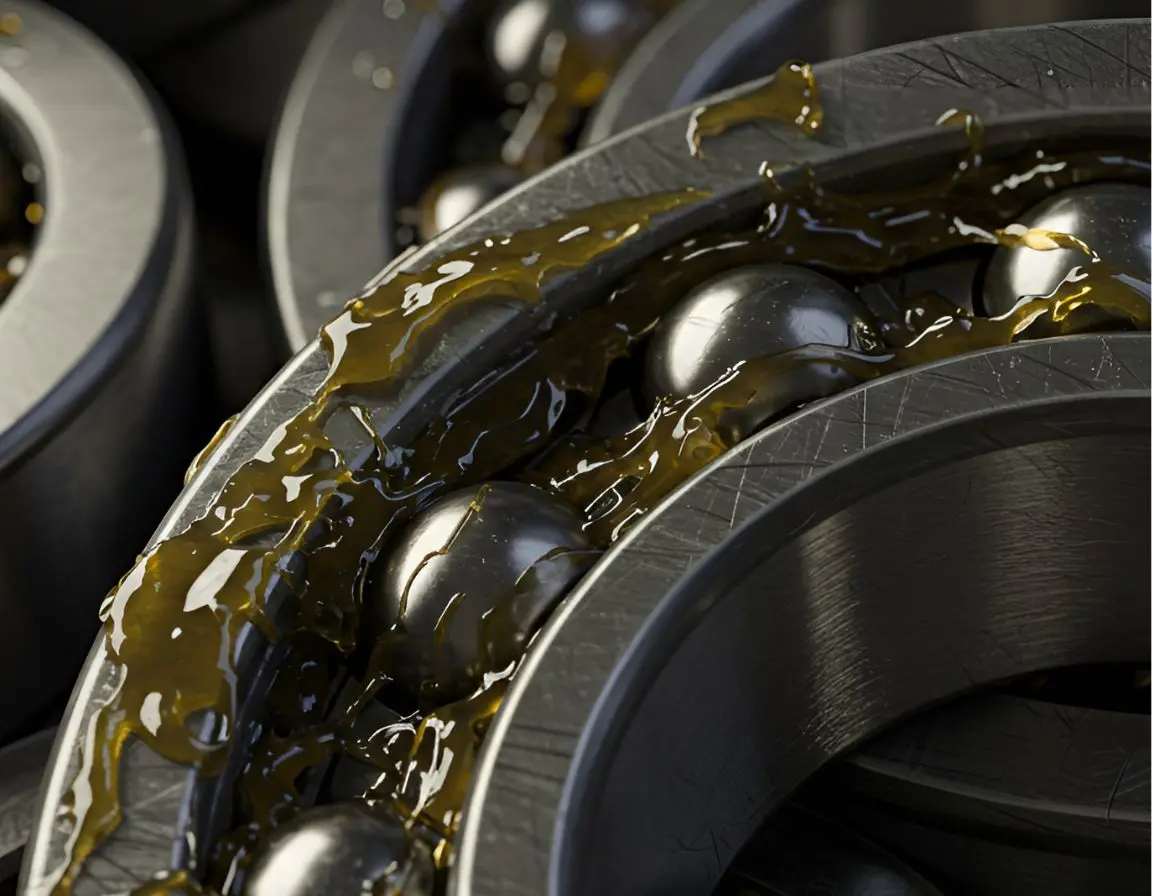
¿Cómo saber si estás sobre-lubricando por falta de diagnóstico?
Tener una frecuencia excesiva de relubricación no es una medida de seguridad; a menudo es un síntoma de que no se comprende la criticidad de la aplicación. Lo que siempre decimos “que no existen lubricantes malos, sino aplicaciones mal diagnosticadas”.
1 de cada 3 pesos
de tu presupuesto podría estar absorbiéndose por fallas de lubricación.
¿Un neumático urbano en un auto de Fórmula 1?
El neumático no es "malo", pero al no ser la herramienta diseñada para esa aplicación, se destruirá en minutos. Esto te obligará a paradas constantes que cuestan una fortuna en tiempo de competencia. Lo mismo pasa en tu planta: usar un aceite mineral básico donde se requiere un sintético de alto desempeño te obliga a paradas innecesarias. Cuando tratas al lubricante como una herramienta de precisión, tu costo operativo disminuye drásticamente.
¿Cuáles son los costos ocultos de la frecuencia excesiva?
Cuando relubricas más de lo necesario, activas una serie de costos ocultos que superan por mucho el valor del material:
- Mano de obra y logística: Cada tarea de lubricación consume horas-hombre. Si tu frecuencia es alta, estás pagando constantemente técnicos para tareas rutinarias que no agregan valor, en lugar de enfocarlos en inspecciones predictivas.
- Tiempos muertos: Cambiar el aceite o reengrasar suele requerir detener la maquinaria. La pérdida de producción durante estas paradas casi siempre cuesta más que el lubricante que estás sustituyendo.
- Desecho prematuro: Según estudios avalados por la STLE, el 30% de los lubricantes se cambian cuando todavía tienen vida útil. Esto no solo duplica tu costo de compra, sino que eleva tus gastos de gestión de residuos y el impacto ambiental.
¿Cómo puedes reducir tus costos de lubricación hoy mismo?
Si bucas optimizar tu estrategia, te sugerimos estos cuatro pilares:
- Selecciona el lubricante óptimo para la aplicación: No escatimes en aplicaciones críticas. Como bien señala Noria: "Es peligroso intentar ahorrar dinero comprando lubricantes formulados económicamente para una aplicación crítica". Un lubricante especializado reduce la frecuencia de intervención.
- Extiende proactivamente la visa útil: Olvida los intervalos fijos de calendario. Implementa una lubricación basada en condición, apoyada en análisis de laboratorio y monitoreo de estado. Así, cambiarás el aceite cuando el equipo lo necesite, no cuando el reloj lo diga.
- Optimiza los intervalos con tecnología: Los sistemas automáticos entregan la cantidad exacta mientras la máquina opera. Esto elimina el error humano y evita detener la producción para engrasar manualmente.
- Disminuye las fugas: Un sistema sellado y limpio es la base de la economía y la confiabilidad.
La elección basada en la criticidad
Para cerrar, recuerda que tu meta no debe ser comprar menos lubricante, sino optimizar tu estrategia. El lubricante es un elemento crítico de ingeniería, no un simple insumo. Si evalúas el impacto total en tu mano de obra y producción, transformarás la lubricación de una "tarea sucia y rutinaria" en un activo estratégico que hará tu planta mucho más rentable.
¿Tu estrategia de lubricación está alineada con la criticidad de tu operación? No dejes que los costos ocultos detengan tu productividad. Permítenos ayudarte a diagnosticar tus aplicaciones más críticas para identificar el lubricante exacto que tu equipo necesita.
Agenda una revisión técnica aquí y optimicemos juntos tu costo total de operación.
Preguntas frecuentes
En esta sección, encontrará las respuestas a las preguntas frecuentes.
Si bien el precio de compra representa solo del 1% al 5% de un presupuesto de mantenimiento, el Costo del Ciclo de Vida (CCV) incluye mano de obra, tiempo de inactividad operativo y gestión de residuos. Enfocarse en el CCV permite obtener ahorros operativos significativos que superan con creces los descuentos iniciales del producto.
La sobre-lubricación genera costos ocultos como el consumo innecesario de horas-hombre, paradas de maquinaria que detienen la producción y el desecho prematuro de lubricante que aún tiene vida útil (estimado en un 30% por la STLE).
No hay lubricantes "malos", solo aplicaciones mal diagnosticadas. Usar un producto básico en un entorno de alta criticidad conduce a fallas prematuras del equipo y costosos tiempos de inactividad. Tratar el lubricante como una herramienta de ingeniería de precisión adaptada a la criticidad del activo es la clave para reducir el Costo Total de Propiedad.

Fuentes:
Noria Latín América, S.A. de C.V. (2008). Lubricación: mejores prácticas para mantenimiento confiable [Boletín técnico]. Centro de Ingeniería y Mantenimiento Empresarial (CIME). https://www.ruelsa.com/cime/boletin/2008/bt26.pdf
Análisis de Costo de Ciclo de Vida aplicado a lubricantes en equipos de alta criticidad [Video]. (2022, octubre 16). YouTube. https://www.youtube.com/watch?v=PJbHMxm6QXg
Improve Lubrication Practices to Decrease Maintenance Budget. (2014). ReliabilityWeb / Machinery Lubrication. https://reliabilityweb.com/tips/article/improve-lubrication-practices-to-decrease-maintenance-budget?utm_source=chatgpt.com
Interflon Products SAPI de CV. (2023, diciembre 6). Mantenimiento de la lubricación: una fuente de ahorro. https://interflon.com/mx/news/mantenimiento-de-la-lubricacion
Comunicación Noria. (2016, diciembre 2). 5 formas para disminuir sus gastos en lubricantes. Noria Latín América. https://noria.mx/lube-learn/lubricacion-maquinaria-lube-learn/certificacion-mltii/5-formas-para-disminuir-sus-gastos-en-lubricantes/